
Getting the best cash offer for your house is the first thing many homeowners think about when they start exploring a quick sale. The number matters, but so does understanding exactly how it’s calculated and how you can ensure it reflects your home’s true value.
Cash home sales have become a popular option in Cuyahoga Falls especially for homeowners who need to move fast or want to skip the stress of listing on the open market. Knowing how buyers arrive at their offer gives you the confidence to evaluate what you receive and decide if it works for you.
How Do Cash Buyers Come Up With an Offer Price?
There is no mystery behind how we calculate what to pay for a home. The process is straightforward and based on real numbers, not guesswork. Understanding it helps you know what to expect before we ever talk.
The Starting Point: After Repair Value
Every cash offer starts with one key number called the after-repair value, or ARV. This is what your home would sell for on the open market once it is fully updated and in top condition. We look at recent sales of comparable homes in your neighborhood to establish this number.
In Akron, OH, neighborhood location plays a big role in ARV. A home in Firestone Park will have a different ARV than a similar-sized home in Highland Square, even if the two properties look alike on paper.
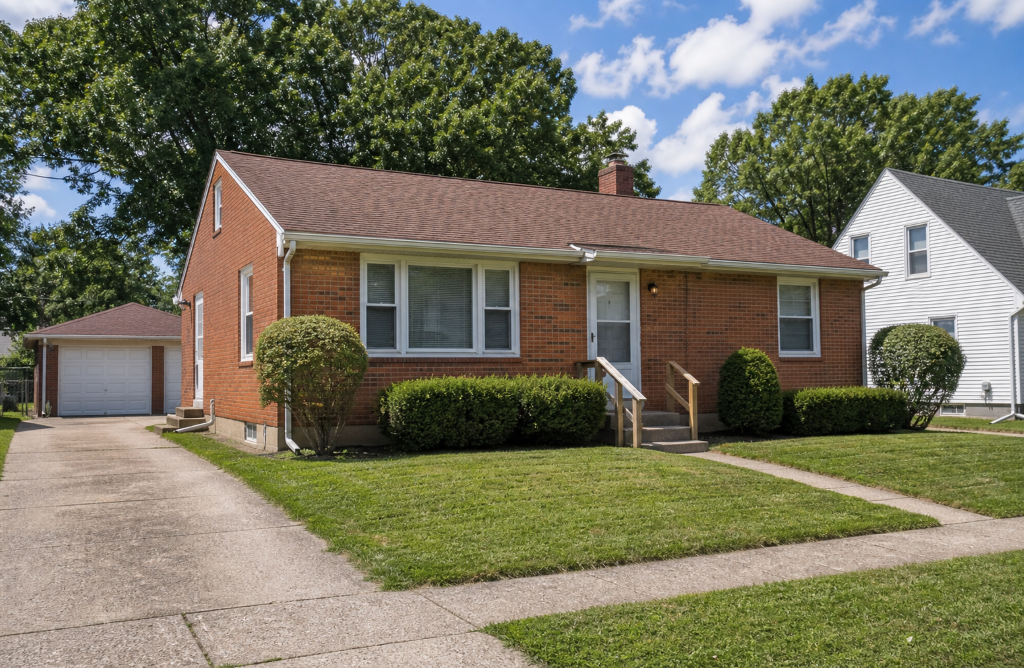
Estimating the Cost of Repairs
Once we know the ARV, the next step is calculating what it will cost to bring the home up to that standard. We walk the property and note everything from the roof condition to the flooring to the electrical and plumbing. These are not rough guesses. We work from actual contractor costs in the Akron market.
Repair costs are subtracted from the ARV because those costs come out of our pocket after we buy. The more work a home needs, the lower the offer will be. This is simply math, not a judgment on your property.
Accounting for Our Costs and Margin
We also factor in carrying costs, closing costs, and a reasonable margin to operate sustainably. These include property taxes while we hold the home, insurance, utilities, and the cost of eventually reselling. A typical formula looks like this:
- ARV minus repair costs
- Minus holding and closing costs
- Minus our operating margin
- Equals your cash offer
This is how every serious cash buyer structures their pricing. It is honest, transparent, and based entirely on what the numbers support.
What Factors Make a Cash Offer Higher or Lower?
Once you understand the basic formula, it becomes easier to see why some homes receive stronger offers than others. Several specific factors push a number up or pull it down.
Property Condition and Needed Repairs
The single biggest factor is how much work the home needs. A home with a new roof, an updated kitchen, and no foundation issues will receive a significantly higher offer than one with deferred maintenance across all systems. As-is home sales are our specialty: we buy homes regardless of condition, though condition absolutely affects value.
Cosmetic issues like outdated paint or old carpet affect the number less than structural or mechanical problems. If your HVAC is failing, the plumbing is aging, or the roof is near the end of its life, those repairs carry real cost and will be reflected in the offer.
Location Within Akron, OH
Location affects fair market value more than almost anything else. We look at how quickly homes are selling in your specific neighborhood, what buyers are paying, and whether demand is rising or falling in that zip code.
Some parts of Akron move faster than others. A home in a high-demand area benefits from stronger buyer competition on the backend, which allows us to offer more. A home in a slower market carries more risk, and that risk factors into our number as well.
Timeline and Seller Flexibility
Your preferred timeline can sometimes affect how an offer is structured. A shorter closing window may be possible in some situations, but it usually depends on the title search, paperwork, property details, and how quickly everything can be coordinated.
If you have more flexibility with the closing date, that can sometimes give the buyer more room to plan the transaction and review the numbers carefully. The best timeline usually comes down to what works for the seller, what the property requires, and what can realistically be completed before closing.
How Does a Cash Offer Compare to a Traditional Sale?
This is one of the most common questions we hear, and it deserves a direct answer. A traditional sale through a real estate agent will often produce a higher gross sale price. But the gross price is not the same as what you actually walk away with.
The True Cost of Listing a Home
When you list with an agent, you pay agent commissions of five to six percent. You also pay closing costs, and in most cases, you make repairs before listing or offer buyers a credit at closing. Inspections routinely uncover issues that turn into negotiating leverage for the buyer.
Add it all up, and the gap between a listed sale price and a cash offer shrinks considerably. On a home selling for $180,000 through an agent, commissions alone could run $9,000 to $10,800. That does not include repairs, staging, or buyer-requested credits.
Speed and Certainty of a No Appraisal Sale
A traditional sale also introduces uncertainty. Deals fall through when buyers lose financing or when a home valuation comes in below the agreed price. A no-appraisal sale like ours removes that risk entirely. We do not rely on bank financing, so no lender requires an appraisal, and no deal falls apart at the last minute.
For homeowners facing foreclosure, probate, divorce, or relocation, that certainty is often worth more than a slightly higher number that may or may not close.
What a Quick Cash Sale Actually Puts in Your Pocket
A quick cash sale closes faster and with fewer costs. No commissions, no repair bills, no open houses, no waiting months for the right buyer. When you subtract all the costs of a traditional sale and compare them to a clean cash offer with a fast close, many sellers find the difference is smaller than they expected, and the simplicity is worth it.
Frequently Asked Questions
How do I know if I’m getting the best cash offer for my house?
The best way to evaluate any cash offer is to understand how it was calculated. Ask the buyer to walk you through their ARV estimate, repair costs, and margin. A trustworthy buyer will explain every number. We always break our offers down so you can see exactly where the figure comes from.
Does my home’s condition affect my cash offer?
Yes, the condition directly affects your offer amount. Homes that need significant repairs will receive lower offers because those repair costs come out of the buyer’s budget after closing. That said, we buy homes in any condition and will never penalize you for issues you did not cause or cannot afford to fix.
How long does it take to close on a cash home sale?
Most cash sales close within 7 to 14 days after an offer is accepted. Because no lender is involved, the timeline depends primarily on title work and your schedule. If you need more time, we can work around your situation. We handle the paperwork and coordinate the closing so you do not have to manage the details alone.