
If you are behind on property taxes in Ohio, the calendar is working against you. Specific due dates, penalty windows, and legal deadlines determine whether your situation stays manageable or becomes a serious threat to your home.
Ohio’s property tax system moves on a fixed schedule, and missing even one deadline can trigger fees, liens, and eventually foreclosure. Knowing where you stand on that timeline is the first step toward protecting your property.
When Are Property Taxes Due in Ohio, and What Happens If You Miss the Deadline?
Ohio property taxes are billed twice a year. Most counties send out two separate bills, each covering roughly six months of the tax year. The exact tax due date by county varies, but the general pattern holds across the state.
Typical Due Dates Across Ohio Counties
In most Ohio counties, the first half payment is due in mid-February, and the second half is due in early August. However, some counties shift these dates by a few weeks in either direction. Summit County, which covers our local area of Hudson, OH follows a schedule close to these standard windows.
Always verify your specific due date directly with your county treasurer. Do not rely on memory or an old bill.
What Happens the Day After You Miss a Payment
The moment a payment is missed, the delinquent tax deadline process begins. Ohio law allows counties to assess a 10 percent penalty on unpaid first-half taxes immediately after the due date passes. That penalty is not negotiable and applies automatically.
If you still have not paid by the time the second-half deadline arrives, the county can add another layer of fees and transfer your account to the delinquent tax list.
When a Lien Gets Placed on Your Property
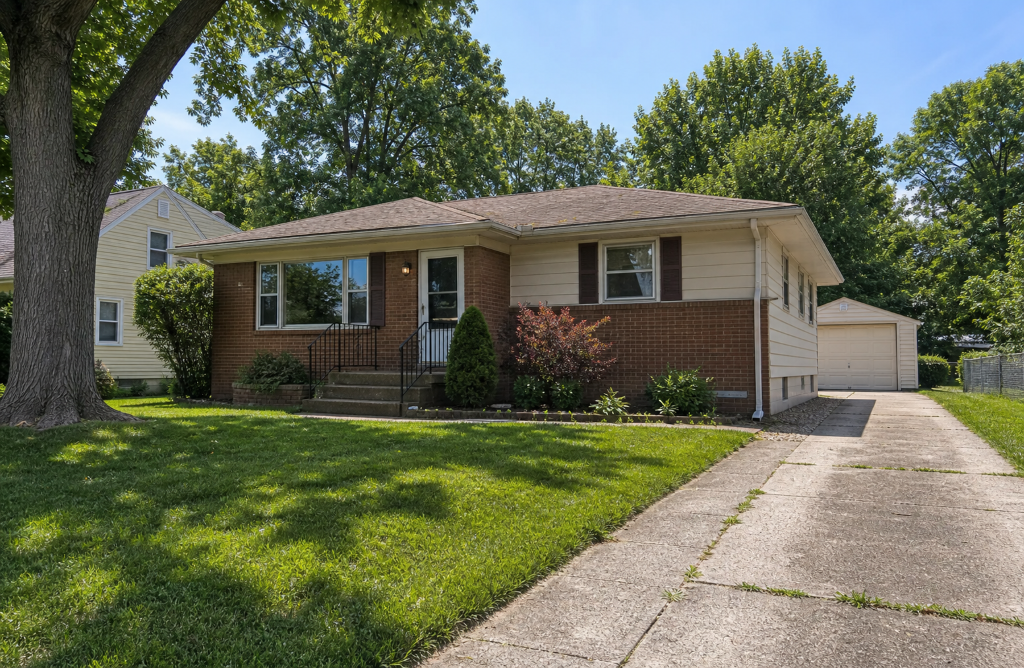
Once taxes are formally delinquent, the county places a tax lien on your property. A tax lien is a legal claim against your home that must be paid before the property can be transferred or refinanced. It also shows up in any title search, which complicates selling through traditional channels.
The longer the lien stays unpaid, the more interest and fees stack on top of the original balance. In Ohio, the interest rate on delinquent taxes is 1.5 percent per month, which adds up quickly.
What Is the Difference Between First Half and Second Half Property Tax Payments in Ohio?
Many homeowners get confused about this split system, especially if they are used to paying taxes through a mortgage escrow account.
How the Split Payment System Works
Ohio taxes are billed in arrears. That means you are paying for a prior year during the current year. The bill you receive in January 2026 covers the taxes assessed for calendar year 2025. The county splits that total bill into two payments to make it easier to manage.
Each half covers approximately the same dollar amount. If your annual property tax bill is $3,000, you owe roughly $1,500 in the first half and $1,500 in the second half.
Why Falling Behind on One Half Matters
Some homeowners assume that missing one half is not a big deal if they plan to catch up later. That thinking is risky. Missing the first half payment starts the penalty clock immediately. By the time the second half is due, you could owe the first half balance plus a 10 percent penalty plus the new second half amount.
That compounding effect is how manageable debt becomes overwhelming debt fast.
Escrow Accounts and Hidden Gaps
If you have a mortgage, your lender likely collects property taxes through an escrow account and pays the county on your behalf. However, if your mortgage is paid off or if your escrow account runs short, you may not realize a payment was missed.
Check your county treasurer’s website directly to confirm payment status. Do not assume your lender handled it.
How Do Redemption Periods Work for Delinquent Ohio Property Taxes?
Even after things go seriously wrong, Ohio law gives homeowners time to recover their property. The redemption period in Ohio is the window during which you can pay off your delinquent taxes and stop the foreclosure process.
The Path From Delinquency to Foreclosure
The Ohio property tax payment schedule has defined escalation points. After taxes become delinquent, the county treasurer can certify the delinquency. Once certified, the account can enter the tax foreclosure process. In Ohio, this is governed by a process called a tax certificate sale or a county foreclosure action, depending on the county.
In Summit County, the county treasurer’s office can begin foreclosure proceedings after taxes have been delinquent for a set period. The process typically takes longer than homeowners expect, but it does eventually lead to a sheriff’s sale if nothing is done.
Your Right to Redeem Before the Sale
Ohio law allows a delinquent homeowner to redeem the property by paying all outstanding taxes, interest, and fees until a court confirms the sale. This is a powerful right. Even if foreclosure proceedings have started, paying the full balance stops the process.
The challenge is that the redemption amount grows every month. By the time a property reaches a sheriff’s sale, the total owed can be significantly higher than the original unpaid tax bill.
What Happens If the Sale Goes Through
If the property is sold at a sheriff’s sale, the owner loses the home. In most cases, the homeowner receives any proceeds left over after the tax debt and legal fees are paid. However, if the home sells for less than what is owed, there may be little or nothing left.
Selling the home before reaching that point almost always results in a better financial outcome.
Frequently Asked Questions
How do I know if I am behind on property taxes in Ohio?
You can check your payment status directly on your county treasurer’s website by searching your property address or parcel number. If you are unsure which county you fall under, a quick Google search for your city name and “county treasurer” will point you in the right direction. We always recommend checking at least once a year, even if you think everything is up to date.
Can I lose my home for being behind on property taxes in Ohio?
Yes. If delinquent taxes go unpaid long enough, Ohio law allows the county to begin foreclosure proceedings and eventually sell the property at a sheriff’s sale. The timeline varies by county, but the risk is real and escalates the longer the debt sits unpaid. Acting early gives you far more options than waiting.
What is the fastest way to resolve delinquent property taxes if I cannot afford to pay them?
Selling the property is often the fastest resolution for homeowners who cannot pay the balance in full. A cash sale can close quickly, with the tax debt paid off through the sale proceeds at closing. If paying the balance is not realistic, selling before foreclosure protects your equity and keeps the outcome in your hands rather than the county’s.