
Selling your home starts with one critical question: what is it actually worth? A comparative market analysis gives you a clear, data-backed answer by looking at what similar homes in your area have recently sold for. When you understand this number, everything else about the selling process gets easier.
What Does a Comparative Market Analysis Actually Tell You?
A comparative market analysis, often called a CMA, is a method used to estimate a home’s market value based on real sales data. It is not an appraisal performed by a licensed appraiser, but it draws on much of the same information. The goal is simple: find out what buyers in your local market are actually willing to pay for a home like yours.
It Reveals Your Home’s True Position in the Market
A CMA does more than spit out a number. It shows you where your home stands compared to others that have recently sold in your neighborhood. You might discover your home is priced well below what the market supports, or you might learn that your expectations need adjusting. Either way, you walk away with a realistic picture instead of a guess.
It Uses Recent, Local Sales Data
The power of a CMA comes from its specificity. It focuses on real estate comps, which are comparable homes that share features similar to yours. These comps are pulled from recent sales, usually within the last three to six months, and from nearby locations. Homes sold two years ago or in a different ZIP code carry much less weight. Markets shift quickly, and fresh local data is what makes a CMA reliable.
It Accounts for Key Property Details
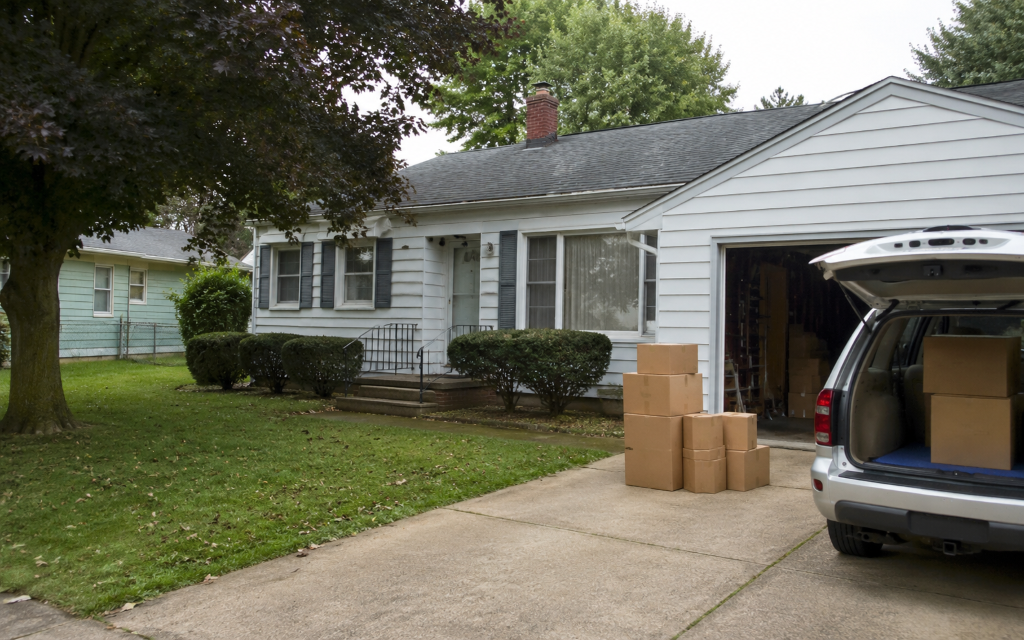
A good CMA does not treat every home the same. Factors like square footage, number of bedrooms and bathrooms, lot size, age of the home, condition, and upgrades all play a role. A house with a renovated kitchen and a finished basement will carry a higher property value estimate than a similar home that has not been updated. The analysis adjusts for these differences to arrive at the most accurate number possible.
How Do Real Estate Professionals Build a CMA?
Building a solid CMA takes more than pulling a few numbers from the internet. It is a structured process that requires local knowledge, access to detailed sales data, and careful judgment. Here is how it typically comes together.
Step One: Gather Information About the Subject Property
The process starts with a thorough look at the home being valued. This means documenting the property’s size, layout, age, condition, and any notable features or upgrades. Accurate input at this stage is essential. If the data going in is wrong, the estimate coming out will be wrong too. For Akron homeowners, this also means noting neighborhood-specific factors that influence value, such as proximity to parks, school districts, or major roads.
Step Two: Find Comparable Sales in the Area
Next comes the search for real estate comps. The goal is to find three to five homes that are as similar as possible to the subject property and that have sold recently. Professionals typically filter by location, square footage, bedroom and bathroom count, and property type. Active listings and pending sales can be included for additional context, but closed sales carry the most weight because they represent what buyers actually paid.
Step Three: Adjust for Differences Between Properties
No two homes are exactly alike, so raw sale prices need to be adjusted. If a comparable home has a two-car garage and the subject property does not, the comp’s value is slightly reduced to account for the difference. If the subject home has a new roof and the comp does not, a small value is added. These adjustments require experience and local market knowledge to do well. Done correctly, they produce a property value estimate that reflects what the home would realistically sell for today.
Step Four: Calculate a Final Value Range
After adjustments, the comparable sales point toward a price range. Most CMAs yield a range rather than a single hard number because real estate is not an exact science. A home might be worth anywhere from $185,000 to $198,000, depending on market conditions, buyer demand, and how quickly the seller needs to move. That range gives both buyers and sellers a reasonable starting point for negotiations.
Why Is a CMA Important When Selling Your Home in Akron?
Understanding your home’s value is not just a formality. It directly affects how your sale unfolds and how much money ends up in your pocket.
It Protects You From Leaving Money on the Table
Pricing a home too low is one of the most common and costly mistakes sellers make. Without a comparative market analysis, you are essentially guessing. Some sellers rely on what a neighbor’s home sold for years ago, or on an online estimate tool that does not account for your home’s actual condition or upgrades. A proper CMA gives you the confidence to price correctly from the start.
It Helps You Evaluate Offers More Clearly
When an offer comes in, a CMA provides context for evaluating it. If your CMA shows your home is worth $210,000 and you receive an offer for $195,000, you know exactly how far off that offer is. You can decide whether to counter, accept, or wait for a better offer based on real data rather than emotion or guesswork.
It Supports Fair Cash Offers From Home Buyers
We use a comparative market analysis every time we evaluate a home. When a homeowner reaches out to us, we want to make sure any offer we present is grounded in real market data. That means pulling recent comps, reviewing the home’s condition, and accounting for local market trends before arriving at a number. A cash offer based on solid CMA research is fair, and fair offers lead to smooth, stress-free closings.
Cash buyers who skip this step tend to make lowball offers that do not reflect what a home is actually worth. We take the opposite approach. Our process is transparent, and we are always happy to walk a homeowner through how we arrived at our number.
It Makes the Process Faster and Less Stressful
When both parties understand the home’s market value, the negotiation process moves much faster. There is less back-and-forth, fewer surprises, and a clearer path to closing. For homeowners who need to sell quickly due to a job change, financial pressure, divorce, or any other reason, having a clear home sale price target based on solid data can take a huge weight off your shoulders.
Frequently Asked Questions
How is a comparative market analysis different from a home appraisal?
A comparative market analysis is performed by a real estate professional or home buyer using recent sales data from comparable properties. A licensed appraiser conducts a home appraisal and is typically required by lenders for mortgage financing. Both estimate market value, but an appraisal carries more legal and financial weight in a traditional sale.
How many comps are used in a typical CMA?
Most CMAs rely on three to five comparable sales, though more can be used when the data is available. The best comps are recent, located close to the subject property, and similar in size, condition, and features. When good comps are hard to find, professionals widen the search radius or slightly extend the time window.
Do cash home buyers use a comparative market analysis to make offers?
Yes. We use a comparative market analysis every time we evaluate a home. Our offer is built on real comps and a careful review of your property, so you can trust that the number we present reflects what your home is genuinely worth in today’s market.