
If your property needs repairs and you want to avoid fixing everything before selling, you may be considering an as-is sale. But what does selling a house as-is actually mean in Ohio, and what are you still legally required to disclose? This guide breaks down how Ohio as-is sales work, what protections buyers and sellers still have, and how the process differs from a traditional home sale.
Selling as-is can simplify the process dramatically, especially if you are dealing with an inherited home, foreclosure pressure, expensive repairs, or simply do not want months of showings and contractor work. But many homeowners misunderstand what the phrase “as-is” really protects and what it does not.
What Does Selling a House As-Is Actually Mean Under Ohio Law?
An as-is sale means the buyer agrees to purchase the property in its current condition without requiring the seller to make repairs before closing.
The Property Transfers in Its Current Condition
In practical terms:
- What works stays as-is
- What is broken stays broken
- The seller does not agree to repair defects before closing
The property could be in excellent shape or need major renovations. Either way, the buyer accepts the home as is.
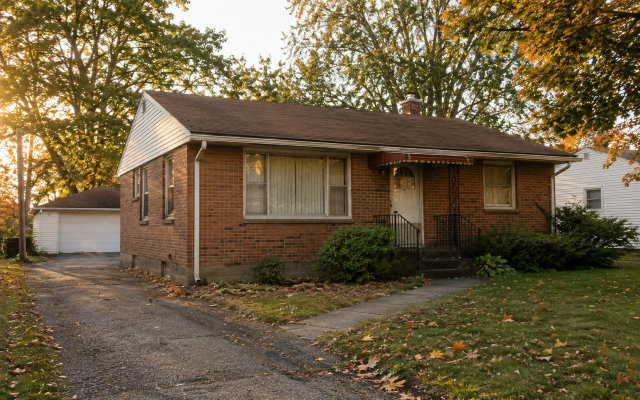
This arrangement is extremely common in Ohio, especially with:
- Older homes
- Inherited properties
- Distressed homes
- Rental properties
- Homes facing foreclosure
The As-Is Clause Appears in the Purchase Agreement
Most Ohio as-is transactions include language directly inside the purchase agreement.
The wording may say things like:
- “Property sold in as-is condition”
- “Seller makes no repairs.”
- “Seller makes no representations regarding condition.”
This language helps clarify expectations between both parties before closing.
As-Is Does Not Mean You Can Hide Problems
This is where many sellers become confused.
Selling as-is in North Canton does not eliminate your legal obligation to disclose known material defects honestly.
Ohio law still requires sellers to disclose known issues with the property. The as-is clause simply means you are not agreeing to have them repaired.
Think of it this way:
- Disclosure means honesty
- As-is means no repairs
Both happen together.
We regularly work with homeowners throughout Akron who choose as-is sales specifically because they want a simpler path forward without spending thousands on renovations first.
What Must Sellers Still Disclose in an Ohio As-Is Sale?
Even during an as-is sale, Ohio disclosure laws still apply.
The Ohio Residential Property Disclosure Form
Most residential sellers in Ohio must complete the Residential Property Disclosure Form.
This document asks about known issues involving:
- Roof leaks
- Water damage
- Foundation problems
- Plumbing issues
- Electrical defects
- Pest infestations
- HVAC problems
- Environmental hazards
You must answer honestly based on what you actually know.
What Happens if You Truly Do Not Know?
The form allows sellers to answer:
- Yes
- No
- No representation
“No representation” means you genuinely do not know the answer.
For example, inherited property owners who never lived in the home may honestly lack information about certain systems or past issues.
However, you cannot use “no representation” to avoid disclosing problems you already know exist.
Hiding Problems Creates Legal Risk
An as-is clause does not protect sellers who intentionally conceal defects.
If a seller knowingly hides serious issues, buyers may later sue for:
- Repair costs
- Legal fees
- Financial damages
Courts generally treat fraudulent concealment very seriously, even in as-is transactions.
Being transparent protects everyone involved and usually leads to smoother closings.
Some Disclosures Are Federally Required
Certain disclosures apply regardless of the as-is status.
For example:
- Homes built before 1978 require lead-based paint disclosures under federal law
Other known environmental hazards must also typically be disclosed.
We always encourage homeowners in Ohio to approach disclosures honestly because transparency protects both the seller and the future buyer.
How Is an As-Is Sale Different From a Traditional Home Sale?
The biggest differences involve repairs, buyer expectations, timelines, and financing.
Traditional Sales Usually Involve Repairs and Negotiations
In a traditional listing:
- Sellers often update or repair the home before listing
- Buyers conduct inspections
- Repair negotiations follow
- Financing and appraisals create additional hurdles
The process can easily stretch for several months.
Many sellers spend thousands preparing a home for the market before even receiving the first offer.
As-Is Sales Skip Most Repair Negotiations
In an as-is sale, buyers understand upfront that repairs are not part of the agreement.
Buyers may still conduct inspections for informational purposes, but the expectation changes significantly.
Instead of demanding repairs, buyers usually decide:
- Move forward
- Renegotiate
- Walk away
This removes much of the back-and-forth that slows traditional transactions.
Buyer Types Differ Significantly
Traditional retail buyers often want move-in-ready homes.
As-is buyers are usually:
- Investors
- Renovators
- Cash buyers
- Experienced property buyers
These buyers understand repair costs and often expect to renovate the property anyway.
Companies like ours buy homes throughout Akron in any condition, which allows sellers to skip repairs, inspections, staging, and months of uncertainty.
Cash Sales Often Move Much Faster
Traditional financed transactions typically involve:
- Mortgage underwriting
- Appraisals
- Lender-required repairs
- Financing contingencies
Cash sales eliminate many of those delays.
As-is cash sales often close within:
- 7 to 21 days
That speed matters to homeowners facing foreclosure, probate, divorce, relocation, or financial pressure.
The Trade-Off Is Usually Price Versus Convenience
Most as-is homes sell for less than the market value of fully renovated homes.
However, sellers often save money by avoiding:
- Repair costs
- Realtor commissions
- Carrying costs
- Months of mortgage payments
- Utilities and taxes during the listing period
For many homeowners, the convenience and certainty outweigh the lower upfront sale price.
Understanding what selling a house as-is means in Ohio helps you evaluate whether the traditional route or a direct sale is a better fit for your situation. There is no universally right answer, only the option that best aligns with your timeline, finances, and stress level.
Frequently Asked Questions
Can I legally sell my house as-is in Ohio?
Yes. Ohio law allows homeowners to sell residential properties as-is in nearly any condition. The seller simply agrees not to make repairs before closing. However, sellers must still honestly disclose known material defects.
Do buyers still inspect homes sold as-is in Ohio?
Yes, many buyers still conduct inspections for informational purposes. The difference is that as-is sellers usually do not agree to repair issues found during the inspection.
Can I sell a house as-is if it has major structural problems?
Yes. Homes with foundation damage, water intrusion, outdated systems, or other major problems can still be sold as-is. Many cash buyers and investors specialize in purchasing distressed properties throughout Ohio.