
Selling a house in Ohio can feel like a big task. You might wonder where to start or what steps come next. The good news is that the process follows a clear path. Once you know what to expect, selling your home becomes much easier.
This guide walks you through every step of selling your house in Stow. You will learn how to prepare your property, price it right, handle legal paperwork, and close the deal. Whether you plan to sell through a real estate agent or explore other options like working with Summit Homes OH, understanding these steps helps you make smart choices.
Ohio has its own rules and requirements for home sales. Knowing these details protects you from problems later. Let’s break down the entire process into simple, manageable steps.
Preparing Your Ohio Home for Sale
First impressions matter when selling a house. Buyers form opinions within seconds of seeing your property. A well-prepared home sells faster and often brings better offers.
Start by deep cleaning every room. Scrub floors, wash windows, and remove cobwebs from corners. Clean homes look cared for and valuable. Don’t forget areas like the basement and garage. Buyers will look everywhere.
Next, remove personal items and excess furniture. This process is called decluttering. Pack away family photos, collections, and anything that makes the space feel crowded. You want buyers to imagine their own lives in your home. Empty counters and clear closets make rooms look bigger.
Consider making small repairs before listing. Fix leaky faucets, replace broken tiles, and patch holes in walls. These minor fixes prevent buyers from worrying about bigger problems. A house that looks maintained suggests the major systems work well too.
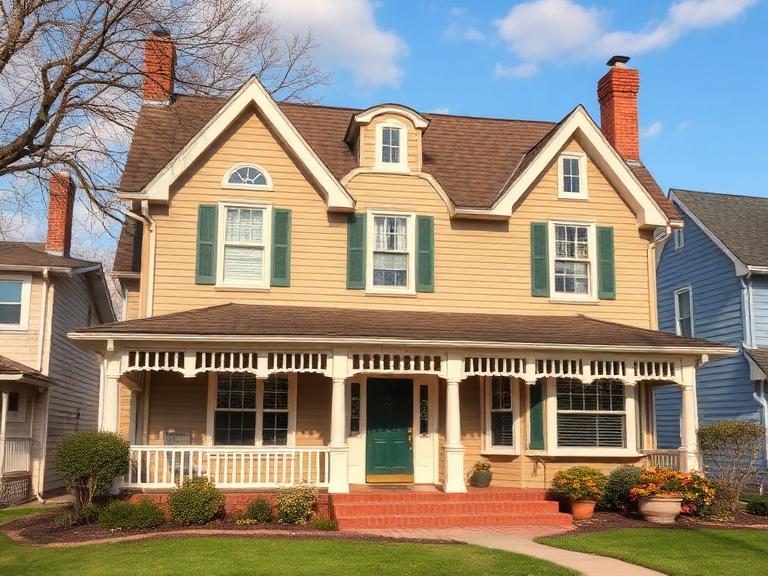
Curb appeal is your home’s first handshake with buyers. Mow the lawn, trim bushes, and add fresh mulch to flower beds. A coat of paint on the front door can make a surprising difference. In Ohio, where weather can be harsh, make sure gutters are clean and the roof looks solid.
Some sellers choose to skip these steps by working with cash buyers like Summit Homes OH. These companies buy homes as-is, meaning you don’t need to clean, repair, or stage anything. This option works well if you need to sell quickly or don’t have time for preparations.
If you do prepare your home, consider neutral paint colors. Beige, gray, and soft whites appeal to most buyers. Bold colors might match your style but can turn others away.
Lastly, remove odors. You might not notice pet smells or cooking scents, but visitors will. Open windows, use baking soda on carpets, and avoid cooking strong-smelling foods before showings.
Setting the Right Price for Your Property
Pricing your Ohio home correctly is one of the most important decisions you will make. Price too high and buyers ignore your listing. Price too low and you lose money.
Start by researching comparable homes, often called “comps.” Look at similar houses in your neighborhood that sold in the last three to six months. Check the size, age, condition, and features. These sales show what buyers actually paid, not just what sellers hoped to get.
Location affects price heavily in Ohio. A house in Columbus typically sells for more than a similar home in a rural county. School districts matter too. Homes in top-rated school zones command higher prices.
Your home’s condition plays a big role. Updated kitchens and bathrooms add value. Old carpets, outdated fixtures, and needed repairs lower the price. Be honest about your home’s condition when comparing it to others.
The time of year matters in Ohio. Spring and summer bring more buyers. Homes listed in winter might sit longer or sell for less. However, serious buyers shop year-round, and less competition in winter can work in your favor.
Real estate agents use a Comparative Market Analysis (CMA) to suggest a listing price. This detailed report looks at active listings, pending sales, and closed sales. Agents know the local market and can spot pricing trends.
Online tools can give you a rough estimate, but they often miss important details. An algorithm doesn’t see your new roof or remodeled bathroom. Use these tools as a starting point, not the final answer.
If you need to sell fast, pricing slightly below market value can create competition. Multiple buyers might submit offers, sometimes above your asking price. This strategy works best in active markets.
Some Ohio sellers choose a direct sale to a company like Summit Homes OH. These buyers make cash offers based on the home’s current condition and market value. You skip the listing process entirely and often close within days or weeks.
Remember that overpricing usually backfires. Homes that sit on the market too long look like something is wrong with them. Price drops later make buyers wonder what you are hiding.
Understanding Ohio’s Required Seller Disclosures
Ohio law requires sellers to disclose certain information about their property. These disclosures protect buyers from hidden problems and protect you from lawsuits later.
The main form is called the Residential Property Disclosure Form. Ohio law says you must give this to buyers before they make an offer or within three days after. This form asks about the condition of major systems and any known problems.
You must answer questions about the roof, foundation, plumbing, electrical, and heating systems. Have you noticed leaks, cracks, or issues? You need to say so. The form also asks about environmental hazards like lead paint, radon, or mold.
Be truthful on this form. If you know about a problem and hide it, the buyer can sue you after closing. Courts take disclosure fraud seriously. Even if a problem seems small to you, mention it.
What if you honestly don’t know the answer to a question? You can mark “unknown” rather than guessing. However, you cannot ignore obvious issues. If your basement floods every spring, you know about water problems.
Lead paint disclosure is federal law, not just Ohio law. Homes built before 1978 might have lead-based paint. You must tell buyers about known lead hazards and give them a pamphlet about lead paint risks. Buyers get ten days to test for lead if they want.
Ohio does allow sellers to skip the disclosure form in certain situations. If you never lived in the house (inherited it, for example) or if the buyer is a business entity buying for resale, you might not need to disclose. However, even in these cases, honesty is the best policy.
Some sellers worry that disclosing problems will kill the sale. Actually, transparency builds trust. Buyers appreciate knowing what they are getting. They can plan for repairs or negotiate a lower price.
When you sell to a cash buyer like Summit Homes OH, disclosure requirements still apply, but the process is simpler. These companies expect to handle repairs themselves and buy homes with known issues.
Keep copies of all disclosure forms you provide. If questions arise later, you want proof you were honest and followed the law.
From Offer to Closing: What to Expect
Once a buyer makes an offer on your Ohio home, several steps lead to closing day. Understanding this timeline helps you stay calm and prepared.
First, review the offer carefully. Look at the price, proposed closing date, and any contingencies. Contingencies are conditions that must be met for the sale to proceed. Common ones include financing approval, home inspection, and appraisal.
You can accept the offer, reject it, or make a counteroffer. Most negotiations involve some back and forth on price or terms. Work with your agent or attorney to respond professionally.
After accepting an offer, the buyer typically schedules a home inspection. An inspector examines your house for problems. They check the roof, foundation, electrical, plumbing, and more. This happens within a week or two of the accepted offer.
The inspection report might reveal issues. Buyers often ask you to make repairs or reduce the price. You can agree, refuse, or negotiate a compromise. Major safety issues usually need addressing, but cosmetic problems are often left as-is.
While the inspection happens, the buyer applies for a mortgage (unless paying cash). The lender orders an appraisal to confirm the home’s value. If the appraisal comes in lower than the sale price, you might need to renegotiate or the buyer might need to bring more cash.
Ohio law requires a title search. A title company checks that you legally own the property and no liens or claims exist against it. This protects the buyer from legal problems after purchase. Any title issues must be cleared before closing.
About a week before closing, the buyer does a final walkthrough. They verify that agreed-upon repairs are complete and the home is in the expected condition. This is not another inspection, just a final check.
Closing day is when ownership officially transfers. You will meet at a title company or attorney’s office to sign paperwork. Bring your ID and any documents your closing agent requests. You will sign the deed, transfer documents, and receive your payment.
Sellers pay certain closing costs in Ohio. These typically include real estate commissions (if you used an agent), title insurance, and prorated property taxes. Your closing disclosure form shows all costs several days before closing.
The entire process from accepted offer to closing usually takes 30 to 45 days with traditional financing. Cash sales close much faster, sometimes in just a week or two. Companies like Summit Homes OH can close quickly because they don’t need mortgage approval or lengthy inspections.
After signing everything, the deed gets recorded at the county courthouse. The buyer receives the keys, and you receive your proceeds. You are done!
Frequently Asked Questions
How long does it take to sell a house in Ohio?
The timeline varies based on several factors. In a hot market, homes can sell within days of listing. In slower markets, it might take several months. The average is about 30 to 60 days from listing to accepted offer. Add another 30 to 45 days for closing if the buyer needs financing. Overall, expect two to four months for a traditional sale. If you need to sell faster, cash buyers like Summit Homes OH can close in as little as seven to ten days since they skip financing, inspections, and repairs.
Do I need a lawyer to sell my house in Ohio?
Ohio does not legally require a lawyer for home sales, but many sellers use one anyway. Real estate attorneys review contracts, handle title issues, and represent your interests at closing. They typically charge a flat fee of a few hundred dollars. If your sale is straightforward and you work with an experienced agent, you might skip the lawyer. However, if you have title problems, estate sales, or complex situations, hiring an attorney protects you. When selling to a cash buyer, the company usually handles most legal aspects through their title company.
What fees do sellers pay when selling a house in Ohio?
Sellers typically pay the largest chunk of closing costs. Real estate agent commissions are usually five to six percent of the sale price, split between your agent and the buyer’s agent. You also pay for title insurance, which protects the buyer’s ownership rights. This costs a few hundred to over a thousand dollars depending on home value. Other costs include prorated property taxes, recording fees, and any negotiated repairs or credits. Some sellers pay for a home warranty for the buyer. Total closing costs for sellers often range from six to ten percent of the sale price. Cash sales to companies like Summit Homes OH eliminate agent commissions, saving you thousands of dollars.